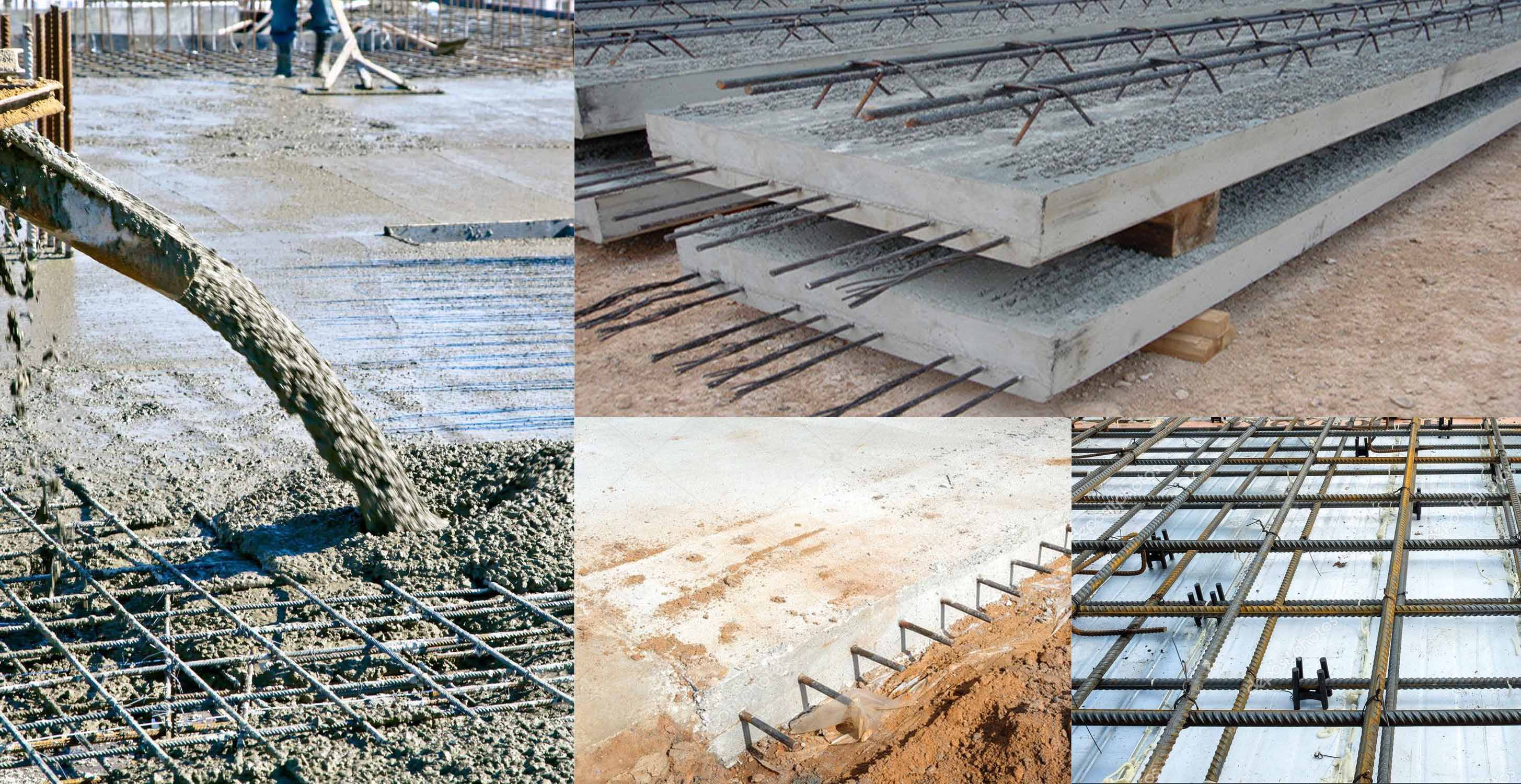
Concrete used in construction may also contain reinforcing bars, welded wire fabric (wire mesh), and various reinforcing fibers.
Air-entrained concrete
Noun
Air-entrained concrete contains billions of microscopic air cells per cubic foot. These air pockets relieve internal pressure on the concrete by providing tiny chambers for water to expand into when it freezes.
Example: air_entrainedAir-entrained concrete is produced using air-entraining portland cement, or by the introduction of air-entraining agents, under careful engineering supervision, as the concrete is mixed on the job.
en: Concreto envuelto en aire
Architectural concrete
Noun
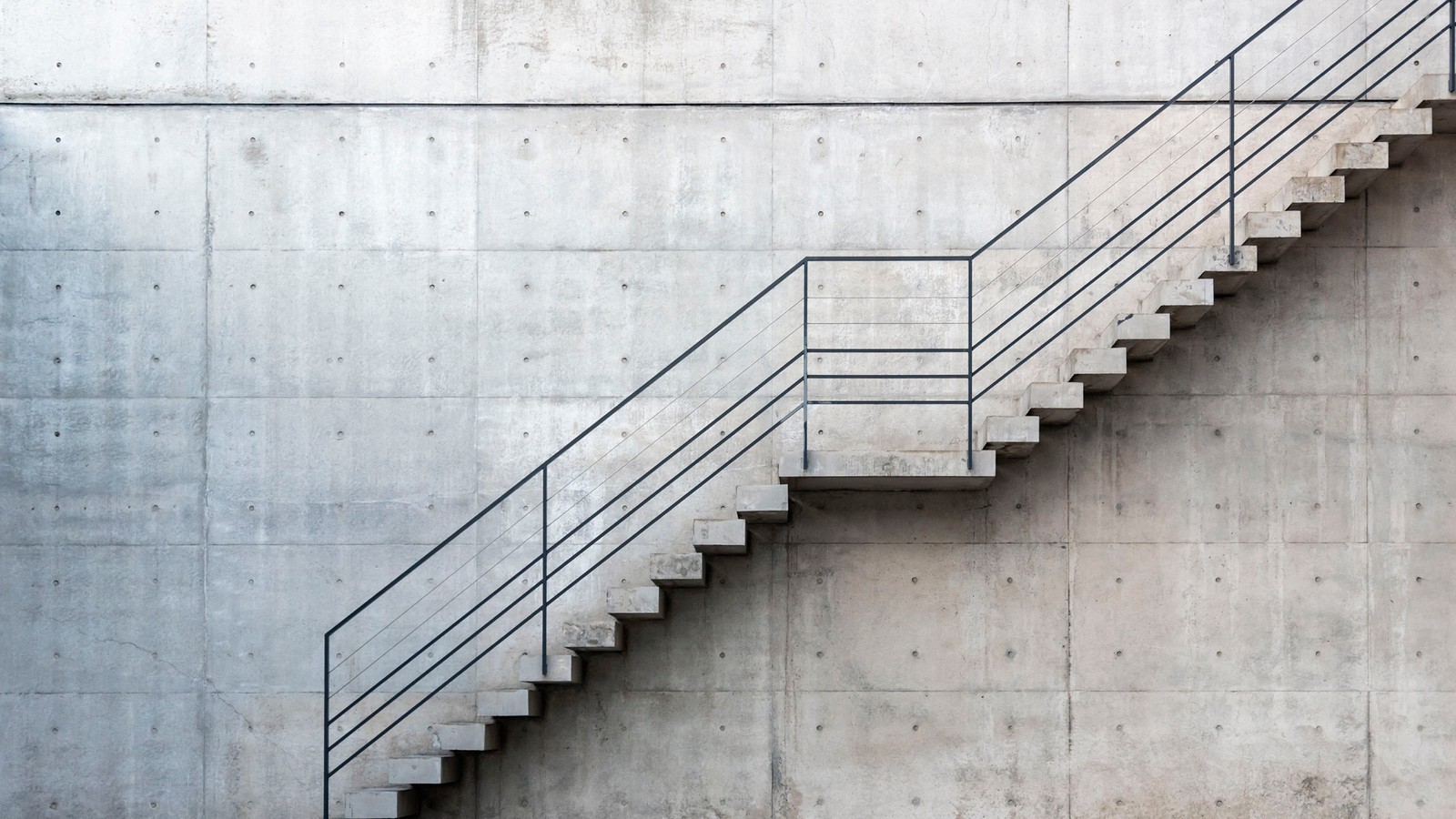
Architectural concrete is concrete that will be permanently exposed to view and therefore requires special care in selection of the concrete materials, forming, placing, and finishing to obtain the desired architectural appearance.
Example: Architectural concrete has developed into one of the most important means of design in modern architecture.
en: Concreto arquitectónico
Asphaltic concrete
Noun
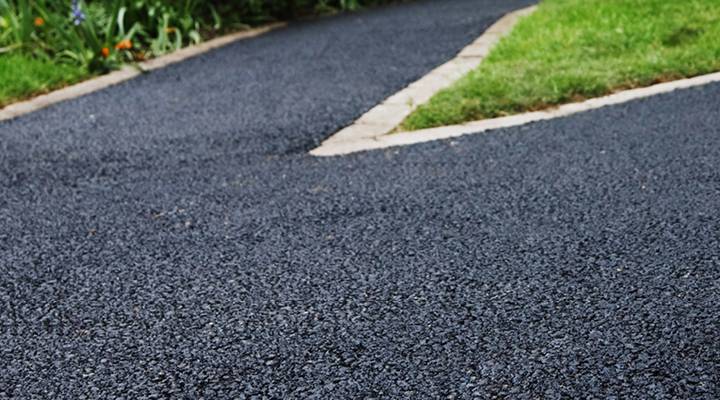
Asphalt concrete means a paving material produced by combining and heating asphalt cement
Example: Asphalt Concrete is a composite material commonly used in construction of roads, highways, airports, parking lots, and many other types of pavement.
en: Concreto asfáltico
Cellular concrete
Noun
A low-density product consisting of portland cement, cement-silica, cement-pozzolan, lime-pozzolan, or lime-silica pastes, or pastes containing blends of these ingredients and having a homogeneous void or cell structure, attained with gas-forming chemicals or foaming agents.
Example: Cellular concrete is a white material used in construction.
en: Concreto celular
Colored concrete
Noun
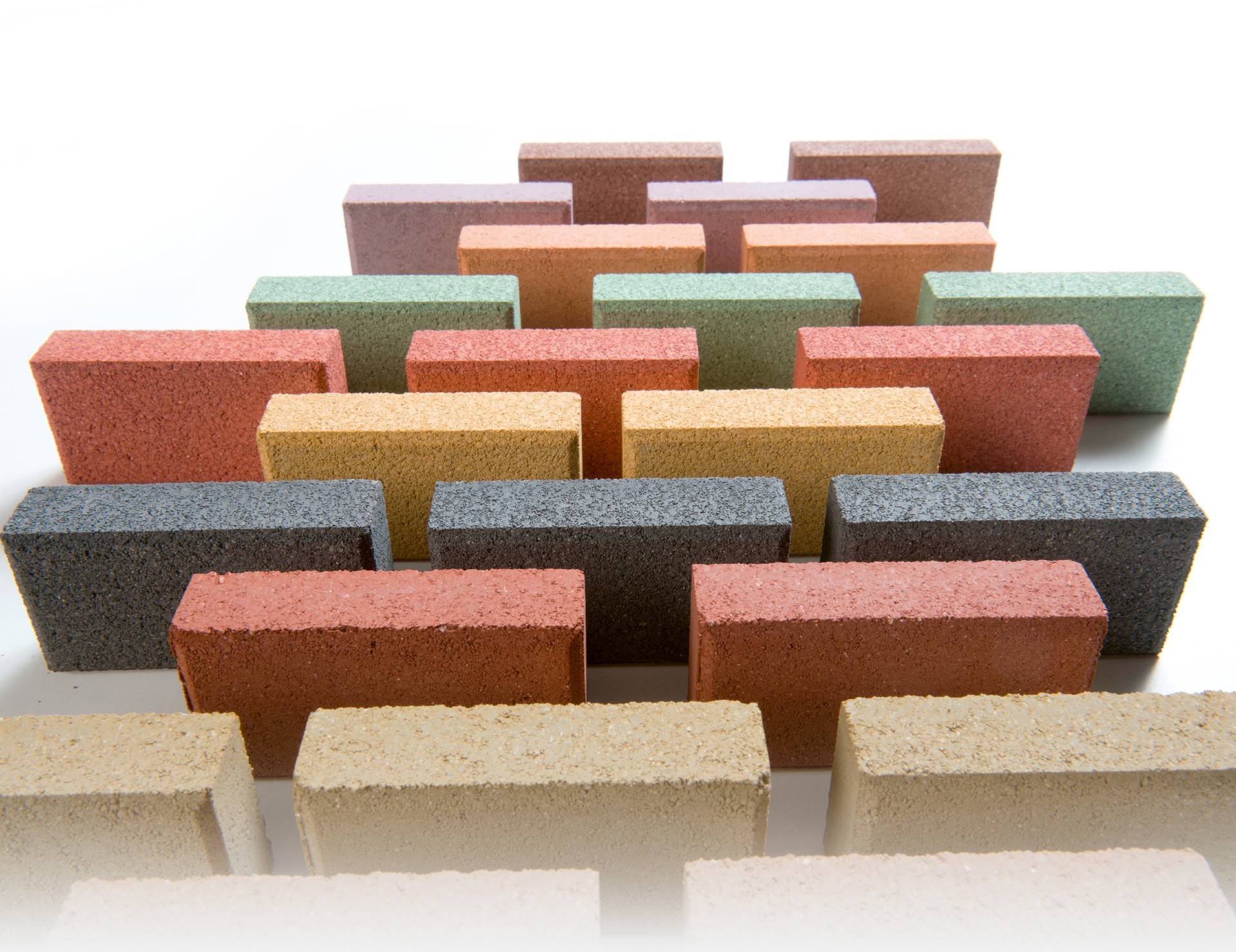
Colored concrete, also known as decorative concrete, allows traditional grey concrete to be stained and dyed different colors.
Example: Concrete can be colored in four different ways: stains, integral pigments, color hardeners and dyes.
en: Concreto de color
Cured concrete
Adjective
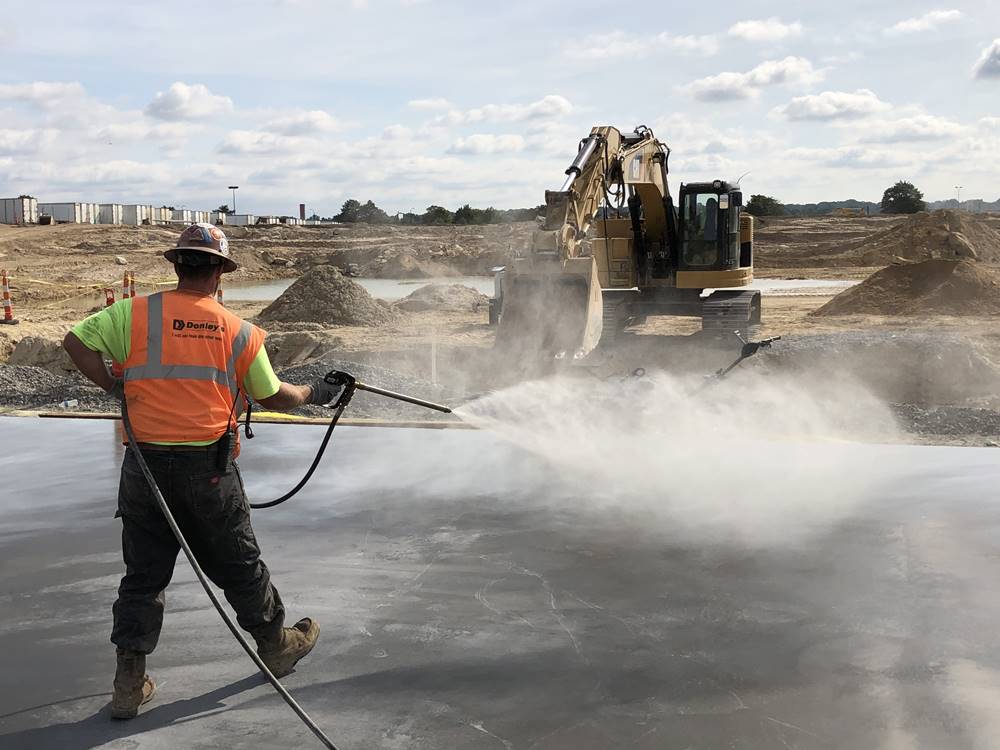
Curing of concrete is defined as providing adequate moisture, temperature, and time to allow the concrete to achieve the desired properties for its intended use.
Example: One of the most common methods for curing concrete is to hose it down frequently with water—five to 10 times per day
en: Concreto curado
Exposed concrete
Noun
Exposed concrete refers to concrete whose surface is a visible part of the architectural and interior design of the building.
Example: See the latest news and architecture related to Exposed Concrete, only on ArchDaily.
en: Concreto expuesto
Green concrete
Noun
Green concrete is defined as a concrete which uses waste material as at least one of its components, or its production process does not lead to environmental destruction, or it has high performance and life cycle sustainability.
Example: Concrete which is made from concrete wastes that are eco-friendly are called as “Green concrete”
en: Concreto verde
Insulating concrete
Noun
Insulating concrete forms, or ICFs, are forms used to hold fresh concrete that remain in place permanently to provide insulation for the structure they enclose.
Example: Insulating concrete formwork is a simple construction system using purpose made insulating panels or blocks as the formwork for in-situ concrete.
en: Concreto aislante
Porous concrete
Noun
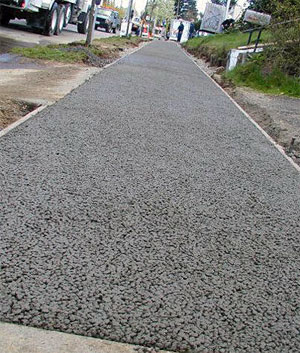
Porous concrete is concrete that is designed to trap water and allow it to percolate through to the ground below.
Example: There are a number of alternate names for porous concrete, including permeable concrete, porous pavement, and pervious concrete
en: Concreto poroso
Precast concrete
Noun
Precast concrete is a construction product produced by casting concrete in a reusable mold or "form" which is then cured in a controlled environment, transported to the construction site and maneuvered into place; examples include precast beams, and wall panels for tilt up construction.
Example: Precast concrete offers many advantages, including a reduction of the construction period, cost efficiency, high-quality control, fast and accurate erection of members, and environmental protection.
en: Concreto prefabricado.
Prestressed concrete
Noun
Pre-stressed concrete is a form of concrete where initial compression is given in the concrete before applying the external load so that stress from external loads is counteracted in the desired way during the service period.
Example: "So it's built from stone?" "It's ordinary reinforced concrete."
en: Concreto pretensado.
Reinforced concrete
Noun
Reinforced concrete is a composite material in which concrete's relatively low tensile strength and ductility are compensated for by the inclusion of reinforcement having higher tensile strength or ductility.
Example: Sverdlovsk Oblast, Russia is the first building known to use reinforced concrete as a construction method.
en: Concreto reforzado
Unreinforced concrete
Adjective
Unreinforced concrete is a concrete its cracks at all thickenings, ends of embedded steel, bollards, pit corners and down the middle of aisles.
Example: The floor of the septic box is typically made of unreinforced concrete thick enough to withstand uplift pressure when the tank is empty.
.jpg)